New pterosaur tracks discovered in S. Korea hint flying reptiles foraged on land

A joint study by Chinese, South Korean and US scientists has reconstructed a brief prehistoric encounter between a large pterosaur and a small animal by studying the pterosaur tracks preserved on a fossil unearthed in Jinju, South Korea. It suggests that these pterosaurs were capable of hunting on land in addition to flying.

The research team has named the pterosaur track fossil as Jinjuichnus procerus and their findings have been published in Scientific Reports, the multidisciplinary open-access journal from Nature Portfolio.

Pterosaurs were flying reptiles distinct from dinosaurs, with some species highly adapted to terrestrial life. Researchers said that the newly discovered tracks were very likely to belong to a neoazhdarchian pterosaur.

The fossil was discovered during a fossil survey conducted in Jinju Innovation City in South Gyeongsang Province in 2010. It comes from Cretaceous strata dating back about 106 million years ago, and is currently housed at the Jinju Pterosaur Tracks Museum.

What makes this fossil distinctive is that it shows a small animal's trackway beside that of the pterosaur. The small animal's trackway shows a sudden turn and longer strides, which suggests it reacted to the pterosaur's presence.
Researchers emphasized that this finding is not direct evidence of the pterosaur's predation, but it may record a brief encounter between a predator and potential prey.

The findings have further highlighted the scientific value of the Jinju fossil site. The Jinju Formation has yielded a large and diverse range of fossil tracks. In excavations conducted in the Jinju Innovation City area alone, researchers have found about 2,500 pterosaur footprints.

Unlike skeletal fossils, trace fossils record the activity of creatures rather than just their physical structure, offering unique insights into how creatures lived and moved.

The research team led by Xing Lida, a dinosaur expert and associate professor at the China University of Geosciences in Beijing, was deeply involved in this study. His team's work on tetrapod tracks and microbially induced sedimentary structures (MISS) played an important role in shaping the study.

According to Xing, his team identified MISS in the fossil, which are thought to have played a key role in preserving the vertebrate tracks. The MISS form a thin film that helps retain fine morphological details - one reason why both the pterosaur tracks and the small "prey" animal trackways in this study are so exceptionally well preserved, Xing told the Global Times on Thursday.

Alternative explanations of the fossil trackways remain possible and that footprints alone cannot confirm predatory behaviors by pterosaurs, according to researchers.

Hainan builds 12 offshore duty-free stores under evolving shopping policy

Fifteen years after China launched the offshore duty-free shopping policy in Hainan, its southernmost island province, customs authorities have supervised a cumulative 286.4 billion yuan (about 41.76 billion U.S. dollars) in offshore duty-free sales, involving 347 million items, according to local customs authorities.

Since its launch on April 20, 2011, the policy has undergone multiple rounds of adjustments and optimization. Today, Hainan hosts 12 offshore duty-free stores across the island.

China to continue promoting Chinese brands globally, injecting greater impetus into the world economy: Foreign Ministry spokesperson

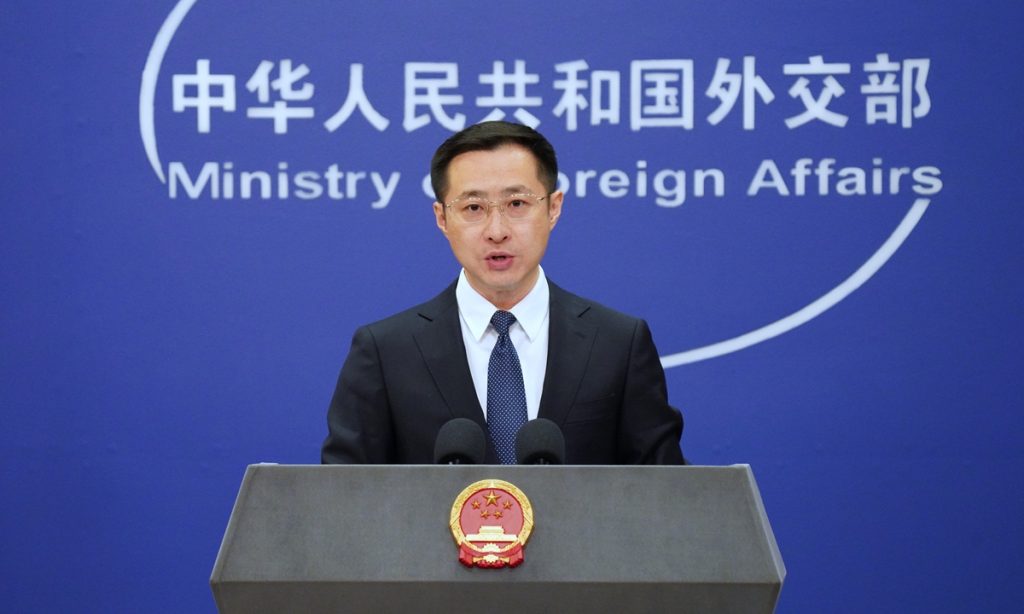
China will continue to share the opportunities stemming from high-quality development with all parties, promote more Chinese brands globally, build more bridges for exchange with other countries, and inject greater impetus into the global economy, Foreign Ministry spokesperson Lin Jian said at a regular press conference on Tuesday. 

The remarks were made to a media inquiry seeking comments on multiple foreign media reports recently that an increasing number of Chinese brands, including tea beverages, hot pot chains, and sports brands, have launched a new wave of overseas market expansion and the view that Chinese companies are not only selling products abroad but also winning favor with foreign consumers through technology, design, supply chain efficiency, and localized services, as well as nurturing globally recognized brands.

Lin Jian noted that, China, with its strong innovation capability, massive market vitality, and cultural appeal, is driving the upgrade of "Made in China" and embracing the world market through open cooperation.

Chinese brands have become ambassadors for Chinese quality, serving as a vivid illustration of how China's development benefits the global economy, Lin said.

Canada announces ‘incremental increase’ in flights with China; move conducive to further enhancing bilateral ties: expert

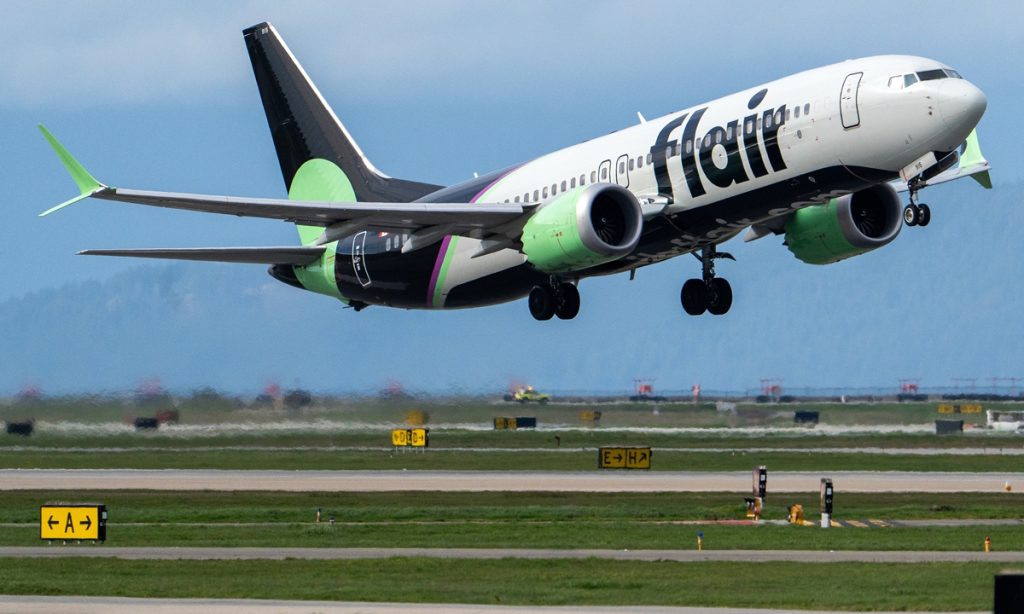
The Canadian government announced on Monday (local time) an "incremental increase" in the number of direct flights permitted between Canada and China, as Ottawa aims to promote trade diversification, strengthen supply chains, boost tourism and help fuel Canada's economic growth, according to an official press release.

Chinese experts said that the move is conducive to enhancing people-to-people and trade exchanges between China and Canada, and reflects Ottawa's determination to boost cooperation and exchanges with China amid complex international economic and trade relations.

Canadian and Chinese airlines will be allowed to incrementally increase direct passenger-combination flights, and operate up to 20 all-cargo flights per week, according to a press release on the Government of Canada website, with "reciprocal access to all points in each country."

Building on Canadian Prime Minister Mark Carney's visit to Beijing earlier this year, this measure delivers on the Canada-China Economic and Trade Cooperation Roadmap and supports the renewal of Canada's economic relationship with China, the press release said.

"Increasing passenger and cargo flights with China is a very positive step toward our trade diversification goals while also reinforcing our strong people-to-people ties. We are giving Canadian travelers more choice and more convenience while growing our commercial relationship with China," Canadian Transport Minister Steven MacKinnon was quoted as saying in the release.

"The Canadian side's move is a pragmatic recalibration of its China policy, framed within the outcomes of Canadian Prime Minister Mark Carney's visit to China in January. This increase in flights is a direct response to sustained pressure from Canadian exporters and higher education institutions, aiming to tangibly repair the state of low-frequency engagement previously strained by diplomatic frictions," Liu Dan, a research fellow at the Center for Regional and Country Studies at Guangdong University of Foreign Studies, told the Global Times on Tuesday.

"First, the increase in flight services will directly reduce freight costs and transit times for high-value-added agricultural products and industrial components. This will help Canada diversify away from its over-reliance on exports to the US, bringing immediate benefits to China-Canada bilateral economic and trade cooperation," Liu said.

At the global economic level, amid ongoing geopolitical disruptions to transpacific shipping routes, increasing flights sends a stabilizing signal for trade corridors between North America and East Asia, preventing supply chain ruptures caused by bottlenecks in a single logistics channel, she said.

Flights between the two countries have been rising. Data from industry information provider VariFlight sent to the Global Times on Tuesday showed that between March 21 and April 20, there were 305 flights between the Chinese mainland and Canada, up 21 percent year-on-year.

"The Canadian side's move is a welcome and encouraging sign of carrying out the consensus reached during Carney's visit to China," Li Yong, an executive council member of the China Society for WTO Studies, told the Global Times on Tuesday.

Li said that amid complex and volatile global economic and trade conditions, Canada's actions to actively engage with China to enhance people-to-people exchanges and trade cooperation are sober and rational amid rising protectionism and unilateralism. 

"More open and closer cooperation between the two countries will only lead to improved trade and economic wellbeing for people in both countries. In doing so, Canada's economic and market development will be linked to China's market potential and dynamics," he said.

There have been frequent exchanges between Chinese and Canadian officials and businesses this year. Carney paid an official visit to China from January 14 to 17, the first trip to China by a Canadian prime minister in eight years. During the visit, Carney said that Canada will initially allow in up to 49,000 Chinese electric vehicles at a tariff rate of 6.1 percent on most-favored nation terms.

During Canadian Finance Minister Francois-Philippe Champagne's visit to China in early April, the two sides agreed to hold a China-Canada Economic and Financial Strategic Dialogue in the second half of this year, the Xinhua News Agency reported on April 3.

Li said that "those measures will also inject confidence into Chinese business communities looking for trade and investment opportunities in Canada. We can reasonably expect the healthy development of bilateral economic and trade cooperation going forward."

At this year's China International Consumer Products Expo (CICPE), which concluded in Haikou, South China's Hainan Province, on April 18, Canada was the guest country of honor. This year, Canada organized its largest-ever delegation, with about 40 companies participating in sectors including cosmetics, agricultural products, health products and pet food.

"We're very excited to be here as the guest country of honor… As the Chinese consumer market grows, there are 1.4 billion consumers. That's very important for Canada," Canadian Minister of International Trade Maninder Sidhu told the Global Times during the CICPE.

According to the Canada-China Business Survey 2025/2026 recently released by the Canada China Business Council, 86 percent of the respondents viewed China as a top or No.1 priority in their global strategies, while more than two-thirds said that they were preparing to expand their operations in China.

Robust delivery lines

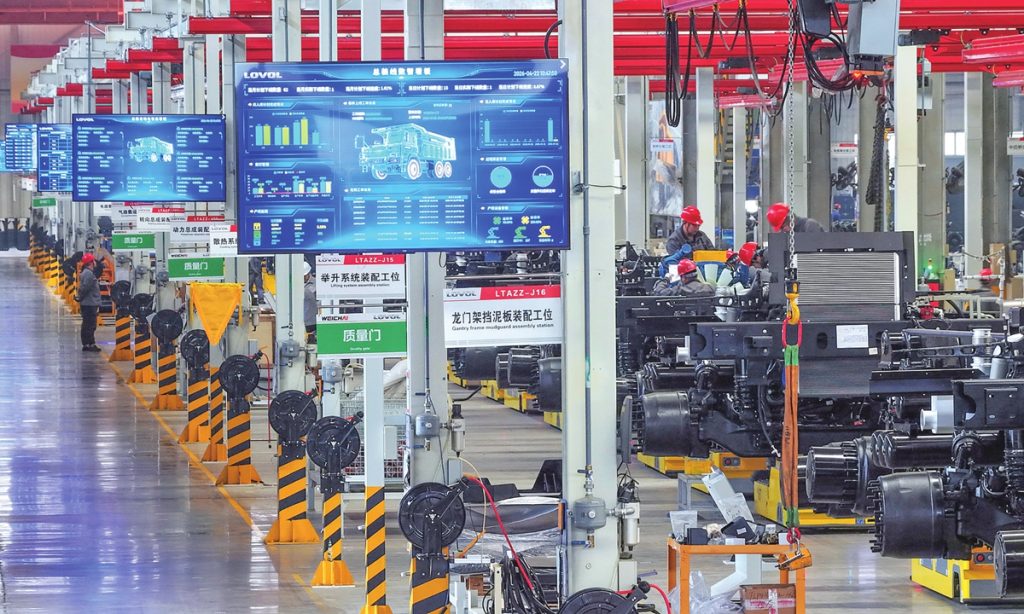
Workers operate on a production line in the smart workshop of a special vehicle manufacturing company in Yangzhou, East China's Jiangsu Province, on April 22, 2026. Official data showed that the value-added of industrial enterprises above a designated size grew by 6.1 percent year-on-year in the first quarter of 2026. Photo: VCG

New-level noodles

Exhibitors use a massive three-meter cauldron to simmer braising liquid in Guilin, South China's Guangxi Zhuang Autonomous Region, on April 17, 2026 as the city hosts its inaugural Rice Noodle Super League from April 17-20, 2026, coinciding with the vibrant Sanyuesan Festival, which is a traditional festival celebrated by various ethnic groups in China. Photo: VCG

China expands pilot FTZs to 23, adding Inner Mongolia

China has expanded its pilot free trade zones (FTZ) to 23 with the establishment of the China (Inner Mongolia) Pilot Free Trade Zone, according to a plan made public by the State Council Thursday.

The plan grants the new pilot FTZ in north China's Inner Mongolia Autonomous Region greater reform autonomy and encourages pioneering, integrated and differentiated exploration across a wider range of areas and at a deeper level.

It specifies 19 reform and innovation measures, including developing border trade in an innovative way, strengthening international logistics services, improving the efficiency of technology transfer and application, and expanding external exchanges across multiple fields.

The establishment of the China (Inner Mongolia) Pilot Free Trade Zone is an important strategic move to further deepen reforms comprehensively, advance high-standard opening up, and promote high-quality development, according to the plan.

The plan aims to build the pilot FTZ into a hub for information exchange, transportation and logistics, allocation of resources and production factors, sci-tech innovation and industrial cooperation in key areas, connecting domestic and international markets while radiating to neighboring regions.

The FTZ will fully leverage its role as an important bridgehead for China's opening up to the north, and strive to become a high-level FTZ featuring convenient investment and trade, a sound innovation ecosystem, clustering of competitive industries, and vibrant international exchanges.

The pilot FTZ covers 119.74 square kilometers and comprises three subzones in Hohhot, capital of the autonomous region, Manzhouli, a northern border city, and Erenhot, a land port on the China-Mongolia border, each tasked with differentiated functions and the development of industries tailored to local conditions.

China had earlier established 22 pilot FTZs in areas including Shanghai, Guangdong, Liaoning, Hainan, Shandong and Beijing. The previous addition was the China (Xinjiang) Pilot Free Trade Zone in 2023.

China's railway construction gains steady momentum in Q1

China State Railway Group Co., Ltd. announced on Saturday that railway construction has been advancing with high quality and efficiency in the first quarter (Q1) of this year, laying a solid foundation for the full-year goals and injecting new vitality into economic and social development.

In the first three months, China's railways completed 137.9 billion yuan (about 20.09 billion U.S. dollars) in fixed-asset investment, a year-on-year increase of 5.1 percent. A series of key railway projects, including the Xi'an-Shiyan high-speed railway and the Shandong section of the Xiong'an-Shangqiu high-speed railway, have achieved significant progress since the start of the year.

The company has leveraged favorable policies, including those for major national projects and programs, to fully leverage the advantages of railway construction's long industrial chain and broad reach, accelerating nationwide railway construction.

China will continue to push forward national key railway projects in 2026, with more than 2,000 kilometers of new national railway lines to be put into service. Looking ahead, the company will implement the key railway construction tasks specified in the 15th Five-Year Plan (2026-2030), and further leverage railway construction to support the expansion of domestic demand and economic growth.

Chinese FM spokesperson responds to report that China encouraged Iran to accept ceasefire, promised to act as guarantor

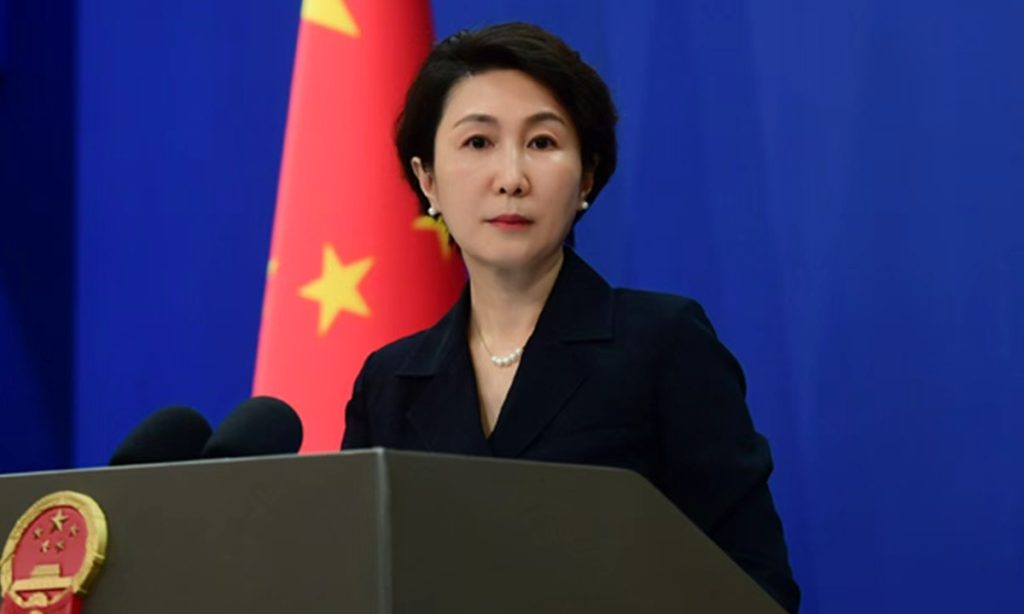
In response to a media inquiry regarding a report by The Guardian that Pakistani officials said China had directly encouraged Iran to accept a ceasefire and promised to act as a guarantor of Iran's safety in any talks — including assurances that Iranian officials would not be assassinated if they traveled for future negotiations — Chinese Foreign Ministry spokesperson Mao Ning said on Thursday that China has consistently advocated for an early ceasefire and an end to the fighting, and for disputes to be resolved through political and diplomatic means so as to ultimately achieve long-term peace and stability in the Middle East and the Gulf region, according to The Paper.

She added that China hopes all parties will properly resolve their differences through dialogue and negotiations, and that China will continue to make efforts to ease tensions and help bring an end to the conflict, The Paper reported.