Three people who had been reported missing following the flash explosion at a residential building in Huludao city in Northeast China’s Liaoning Province, have all been found dead, the local firefighting and rescue authority said in a statement on Monday.
Post-incident work and the investigation into the cause of the incident are being carried out simultaneously, the statement said.
A previous statement said three people were missing and eight were injured after the explosion on Monday morning which was suspected to have been caused by a flash explosion triggered by a liquefied gas leak, the local firefighting and rescue authority said on Monday.
According to a statement released by the local firefighting and rescue authority on Monday, the command center of the Huludao Fire and Rescue Bureau received a report at 7:11 am of a suspected flash explosion caused by a liquefied gas leak in Unit 3 of a residential building in Xingbei community, Nanpiao district in Huludao. The command center dispatched 95 firefighters along with 14 firefighting trucks to the scene for rescue operations.
Allout efforts are being made to search the missing. Eight people suffered minor injuries and were taken to hospital for treatment. Investigation into the cause of the incident is ongoing, the statement said.
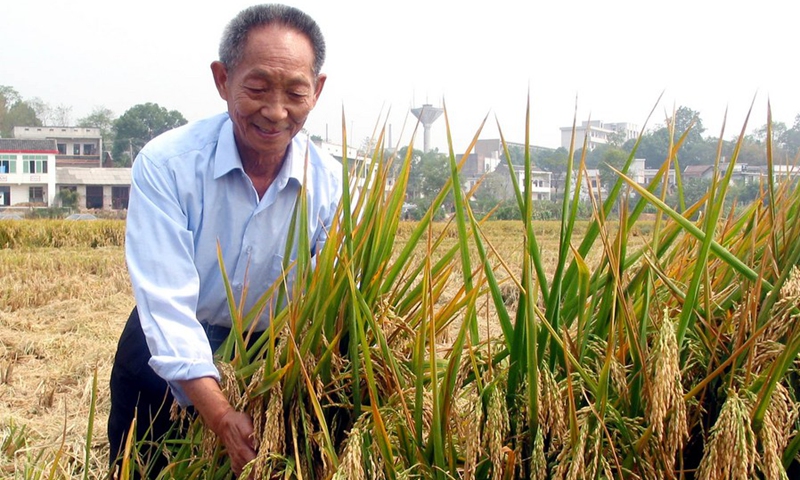
Chinese social media platform Douyin said on Sunday that it permanently banned the account that posted false information about the three-line hybrid rice breeding system, which was first proposed by the late "father of hybrid rice" Yuan Longping. The platform said the false information disrupted social and economic order and could cause public panic, in violation of the platform's community guidelines.
China Food Newspaper on Saturday reported that per information from netizens, an internet influencer who self-proclaimed to advocate "protecting traditional seed varieties," with more than 2 million followers across social media platforms, labeled the "three-line hybrid breeding system" as "abnormal" and "pathological," falsely claiming that the "male-sterile rice" could make consumers infertile "like mules," while attacking modern crop breeding technologies.
Yuan was the founder of the breeding system attacked, which is part of modern breeding technologies that have long served as the cornerstone of China's food security.
The newspaper pointed out that rice is a self-pollinating plant. Only when it is male sterile, can the rice plant receive pollen from other plants, which is the biological basis for hybridization.
Hybrid rice is traditionally developed using the three-line breeding system, which involves three parental lines: one female parent and two male parent lines. Based on their distinct roles, the three lines are known as the male sterile, the maintainer, and the restorer. The maintainer line and restorer line are both capable of self-pollination and self-propagation. The maintainer line is used to preserve and reproduce the male-sterile line, producing offspring that remain male sterile. The restorer line is crossed with the male-sterile line to produce hybrid seeds for cultivation, the newspaper said.
Yuan introduced the three-line breeding system to overcome the challenge of harnessing hybrid vigor in rice. The breeding system remains widely used across China today, according to the newspaper.
From the proposal of the "three-line hybrid breeding system" to the validation of the "one-line system," generations of plant breeders have spent nearly 60 years advancing hybrid rice breeding through continuous field research, the newspaper said, arguing that without the hybrid breeding technologies some people label "abnormal" or "pathological," agricultural output would fall short of demand, and food security enjoyed by hundreds of millions of families would be at risk.
The hybrid rice technologies have not only safeguarded food security of China, but also benefitted many developing countries. Guinean Prime Minister Amadou Oury Bah had sent a bag of locally harvested hybrid rice to Yuan's wife in April, per media reports. He said in a recent interview that hybrid rice strains developed by Chinese scientist Yuan are bringing real benefits to Guinea. The country hopes to expand rice production, reduce dependence on imports and move toward becoming a regional food supplier.
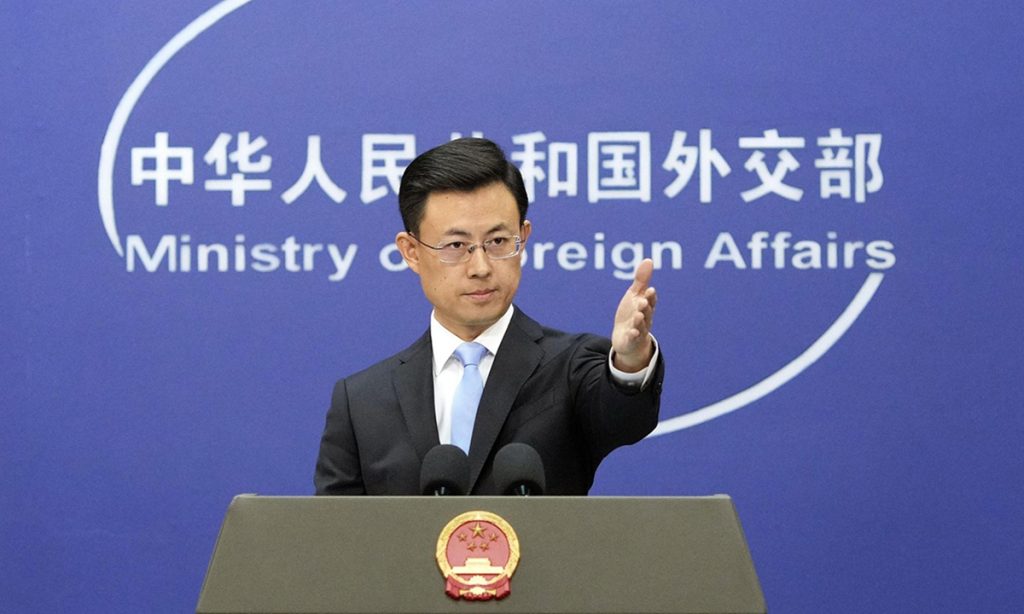
China condemns all attacks targeting innocent civilians. Guo Jiakun, Spokesperson of the Chinese Foreign Ministry, made the remarks at a regular Monday press conference when asked for comment on reports that Ukrainian forces launched a drone strike against a bus in Russia's Bryansk region, killing one woman and injuring six others including four children. He urged all relevant parties to stay calm and exercise restraint, and halt assaults on civilians and civilian infrastructure.
Guo added that dialogue and negotiation represent the only viable solution to the Ukraine crisis. China calls on all sides to take steps to de-escalate tensions at the earliest opportunity and create favorable conditions for the resumption of direct negotiations.
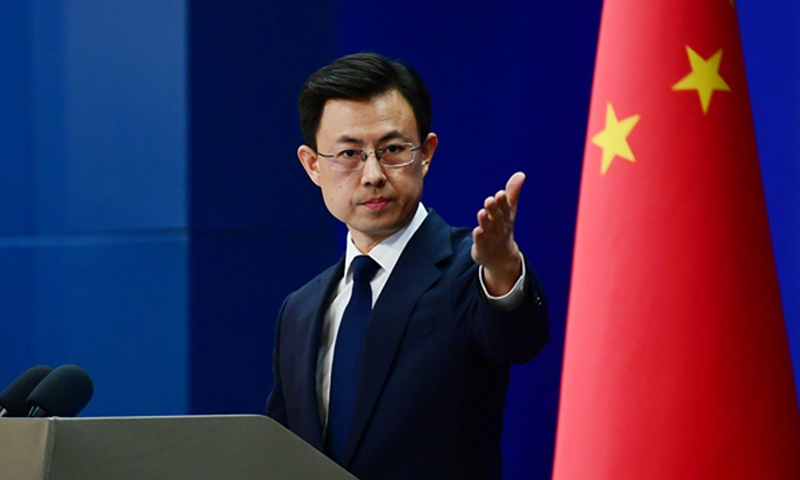
China and India have maintained overall stability along their border, and communication channels on border-related issues remain open, Chinese Foreign Ministry spokesperson Guo Jiakun said on Tuesday, adding that both sides are actively implementing the consensus reached at the 24th Round of Talks Between the Special Representatives of China and India on the Boundary Question and are earnestly preparing for the 25th round of talks.
At the Tuesday press conference, a reporter noted that Foreign Minister Wang Yi said in New Delhi that China and India should speed up the restoration of dialogue mechanisms. The reporter asked the spokesperson to elaborate on which dialogues China hopes to restore and whether the two sides reached an agreement on the next round of talks between the special representatives.
Guo noted that Wang is attending the 16th Meeting of BRICS High Representatives for Security Issues on National Security in New Delhi, India. During the event, Wang met with India's National Security Advisor Ajit Doval, and China has already released relevant information on the meeting.
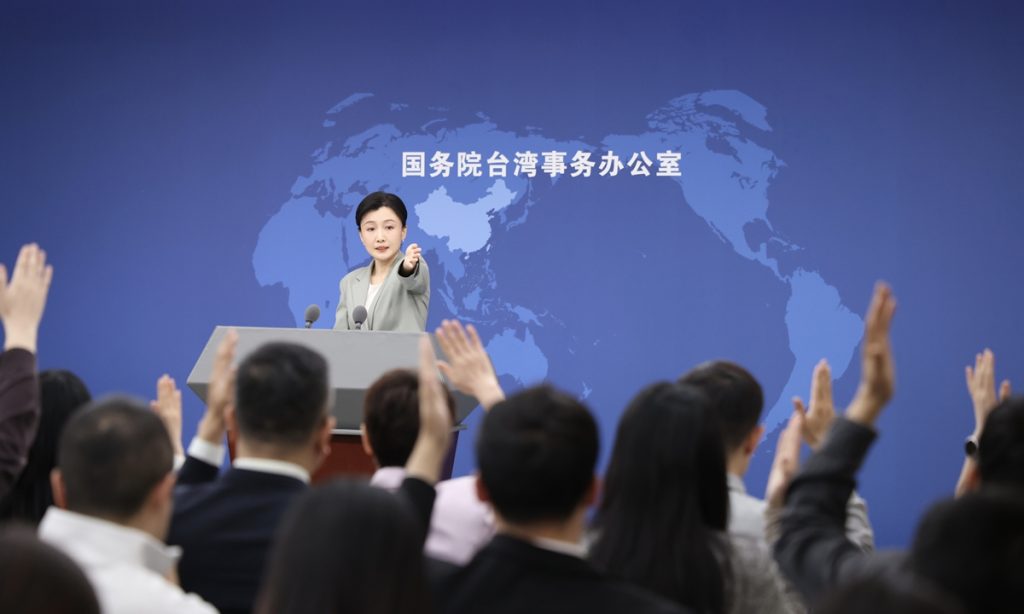
In response to a question regarding Taiwan regional leader Lai Ching-te’s claim calling on Chinese mainland to stop military buildup in the South China Sea, the East China Sea and the Taiwan Straits, and to renounce the use of force against the Taiwan region, and its claim that Taiwan region is willing to engage in exchanges and cooperation with Chinese mainland on the principle of equality and mutual respect, so as to promote peaceful coexistence and common prosperity, Zhang Han, a spokesperson for the Taiwan Affairs Office of the State Council, said that only when the Democratic Progressive Party (DPP) authorities recognize the 1992 Consensus, which embodies the one-China principle, and put an end to their separatist acts for “Taiwan independence,” can cross-Straits consultation and dialogue be resumed, and can cross-Straits relations return to the right track of peaceful development.
Zhang said at present, the situations in the South China Sea and the East China Sea remain generally stable. The DPP authorities, by stubbornly adhering to the separatist stance of “Taiwan independence” and attempting to seek independence with external support and by force, are the very root cause of tension and turbulence in the Taiwan Straits, and are also the troublemaker for regional peace and stability, Zhang added.
“What I want to emphasize is we are willing to strive for peaceful reunification with utmost sincerity and greatest efforts, but we make no promise to renounce the use of force, nor will we leave any room for any form of ‘Taiwan independence’ separatist activities,” Zhang noted.
Chinese social media platform Xiaohongshu, also known as RedNote, said on Tuesday that it had banned 40,000 accounts since early June, as part of a stepped-up crackdowns on illegal sports betting and traffic-directing content during the 2026 FIFA World Cup in a bid to promote a rational and orderly viewing environment.
According to a statement released by the platform, since issuing a "notice on governing World Cup-related illegal sports betting" in early June, Xiaohongshu has taken over 12 enforcement actions against coordinated traffic diverting groups as of Tuesday. The crackdown has resulted in the ban of over 40,000 group-affiliated accounts, the removal of 65,000 gambling-related posts, and the cleanup of more than 450,000 comments related to such illicit promotion.
According to the statement, the World Cup is a peak period for organized gambling-related activities. The platform has proactively reported and transferred 12 clues to public security authorities in localities and assisted the law enforcement in Guangxi, Beijing, Zhejiang, and other places in investigating and cracking down on five traffic-diverting groups.
Any form of online gambling, illegal prediction betting, and related traffic-diverting activities are suspected of violating laws and regulations, the statement said. The platform will act against violative content and accounts per its rules - measures include, but not limited to, removing offending posts, restricting private messaging and group chat features, and permanently banning accounts that disseminate illegal sports betting information, according to the statement.
Xiaohongshu has called on its users to watch matches rationally, engage in civilized discussions, and stay alert to all forms of illegal sports betting. It also urged internet users to report suspected violations through the platform's reporting system.
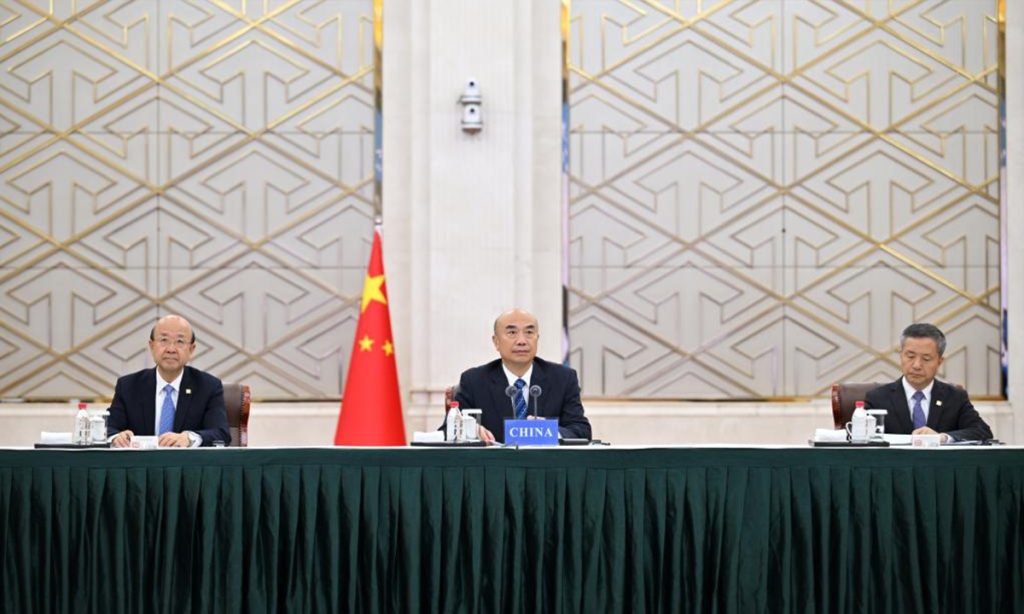
Chinese Vice Premier Liu Guozhong on Tuesday addressed the High-Level Meeting of African Heads of State and Government and Partners on the Ebola Disease Outbreak via video link.
Liu, also a member of the Political Bureau of the Communist Party of China Central Committee, said that the vision of building a community with a shared future for humanity and a global community of health for all has charted the course for international cooperation in fighting the pandemic.
Noting that China and Africa have always been a community with a shared future, Liu said China has provided emergency humanitarian assistance to the Democratic Republic of the Congo (DRC) and the African Union (AU), and dispatched medical expert teams to the DRC.
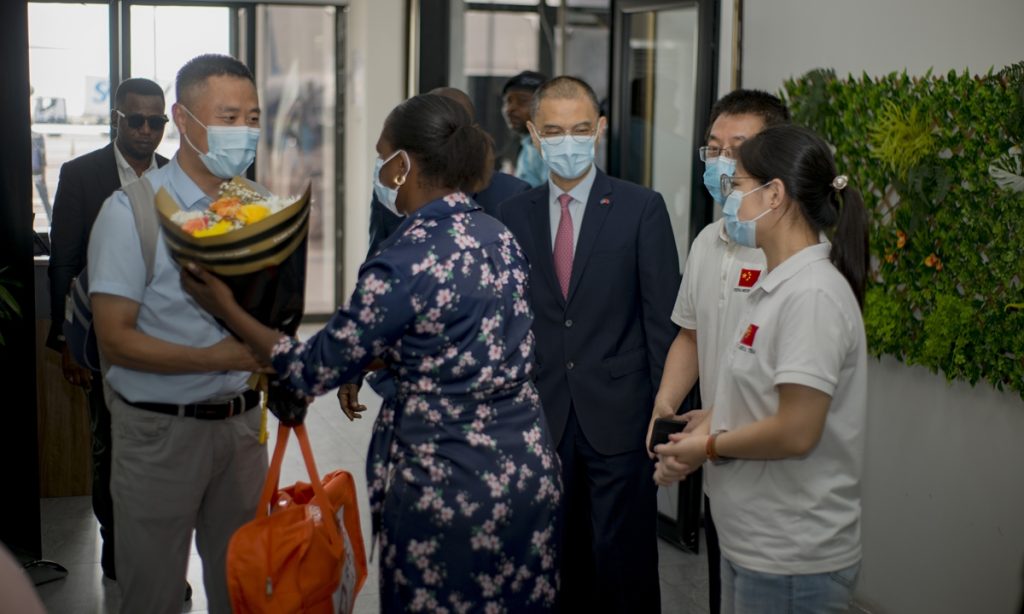
Meanwhile, nearly 1,000 Chinese medical professionals who are working in African countries stand side by side with local people in combating the disease, he said.
China stands ready to provide more medical support to Africa within the framework of the Forum on China-Africa Cooperation, and calls for the international community to enhance solidarity and cooperation to increase support for African countries, said Liu.
Burundian President and current Chairperson of the AU Evariste Ndayishimiye chaired the meeting. Heads of state and government from more than 10 African countries, including South Africa, Equatorial Guinea and Zimbabwe, attended the meeting. Representatives from international and regional organizations such as the World Health Organization and partners from outside the region also attended.
China stands ready to provide more medical support to Africa within the framework of the Forum on China-Africa Cooperation, and calls for the international community to enhance solidarity and cooperation to increase support for African countries, in regard to the ongoing Ebola outbreak on the continent, according to a readout from the Chinese Foreign Ministry on Wednesday.
Chinese Vice Premier Liu Guozhong made the remarks on Tuesday when addressing the High-Level Meeting of African Heads of State and Government and Partners on the Ebola Disease Outbreak via video link.
Liu, also a member of the Political Bureau of the Communist Party of China Central Committee, said that the vision of building a community with a shared future for humanity and a global community of health for all has charted the course for international cooperation in fighting the outbreak.
Noting that China and Africa have always been a community with a shared future, Liu said China has provided emergency humanitarian assistance to the Democratic Republic of the Congo (DRC) and the African Union (AU), and dispatched medical expert teams to the DRC, the readout said.
Meanwhile, nearly 1,000 Chinese medical professionals who are working in African countries stand side by side with local people in combating the disease, Liu said.
At a regular press conference on Wednesday, Chinese Foreign Ministry spokesperson Lin Jian briefed the media on China's participation in the meeting, saying that China will implement the Partnership Action for Health under the framework of the Forum on China-Africa Cooperation, and provide assistance to the best of our capability in combating the outbreak. "We call on the international community to strengthen solidarity and cooperation to help Africa defeat the outbreak at an early date," Lin added.
According to the official website of the African Union, the virtual meeting served as a platform to mobilize urgent political commitment, financial resources, and operational support to strengthen Africa's collective response to the outbreak and reinforce continental health security.
Burundian President and current Chairperson of the AU Evariste Ndayishimiye chaired the meeting. Heads of state and government from more than 10 African countries, including South Africa, Equatorial Guinea and Zimbabwe, attended the meeting. Representatives from international and regional organizations such as the World Health Organization and partners from outside the region also attended the meeting, per the Xinhua News Agency.
Addressing the meeting, the head of Africa's Centres for Disease Control and Prevention (Africa CDC) warned that the Ebola outbreak in DRC could be the worst ever, and that currently tens of thousands of contacts of those ill with the disease had not been traced, Reuters reported.
"If we don't stop the outbreak very soon it will be worse than what we had in West Africa and eastern DRC," Africa CDC Director-General Jean Kaseya told the virtual meeting. He was referring to the outbreak that affected Guinea, Liberia and Sierra Leone in 2014-2016 that killed over 11,000 people and a less deadly 2018 outbreak in DRC, per Reuters.
Amid the grim situation of the ongoing spread of the Ebola outbreak in parts of Africa, the Chinese government has decided to provide additional emergency humanitarian assistance on top of its previous anti‑outbreak support for Africa. The assistance includes continued aid to the DRC, a batch of anti‑outbreak supplies for Uganda, and sustained support for Africa CDC to fulfil its mandate, helping Africa contain the outbreak at an early date, Tang Ying, spokesperson for the China International Development Cooperation Agency, said on Wednesday.
The number of confirmed cases in the DRC has increased to 837, including 196 deaths, government data showed on Tuesday. Neighboring Uganda has recorded 19 cases, 14 of them among people who had travelled from the DRC. The country has also reported two deaths, according to the Al Jazeera.
A Red Cross official said that the outbreak had not yet peaked in the DRC. "We are afraid that this could last one year to end this disease," said Bruno Michon, operations manager for the International Federation of Red Cross and Red Crescent Societies, Al Jazeera reported.
Zhuang Shilihe, a Guangzhou-based medical expert, told the Global Times on Wednesday that given the outbreak situation, case numbers across Africa are likely to keep rising in the coming months. The security situation in the DRC may also hamper medical‑relief personnel operating in outbreak‑hit regions.
Amid the ongoing outbreak in Africa, China's National Disease Control and Prevention Administration released an updated Ebola prevention and control plan Tuesday, setting out tracking and health management requirements for people arriving from affected regions.
The plan requires health monitoring and management for people arriving in China from Ebola-affected countries or regions, foreign nationals who traveled to affected areas within 21 days before entering China, and Chinese citizens returning from outbreak zones.
Zhuang noted that this plan represents proactive contingency preparation given the currently low overall domestic risk level. It helps authorities enforce more detailed preventive measures.
China on Thursday released a new national human rights action plan at the opening of the 2026 Forum on Global Human Rights Governance, aiming to ensure the principal position of the people is respected and the people's fundamental interests are safeguarded.
The National Human Rights Action Plan of China (2026-2030) will also promote social fairness and justice and ensure that the fruits of modernization benefit all people fairly.
The action plan is divided into an introduction and eight chapters. It was jointly unveiled by the representatives of the members of the joint meeting mechanism for the national human rights action plan.
The Chinese government implemented its fourth human rights action plan between 2021 and 2025. With the effective implementation of its objectives and tasks, the country achieved remarkable progress in human rights protection, providing much-needed stability and certainty for global human rights development, the latest action plan says.
At the invitation of Member of the Political Bureau of the CPC Central Committee and Minister of Foreign Affairs Wang Yi, Nepal’s Minister for Foreign Affairs Shisir Khanal will visit China from June 14 to 17.